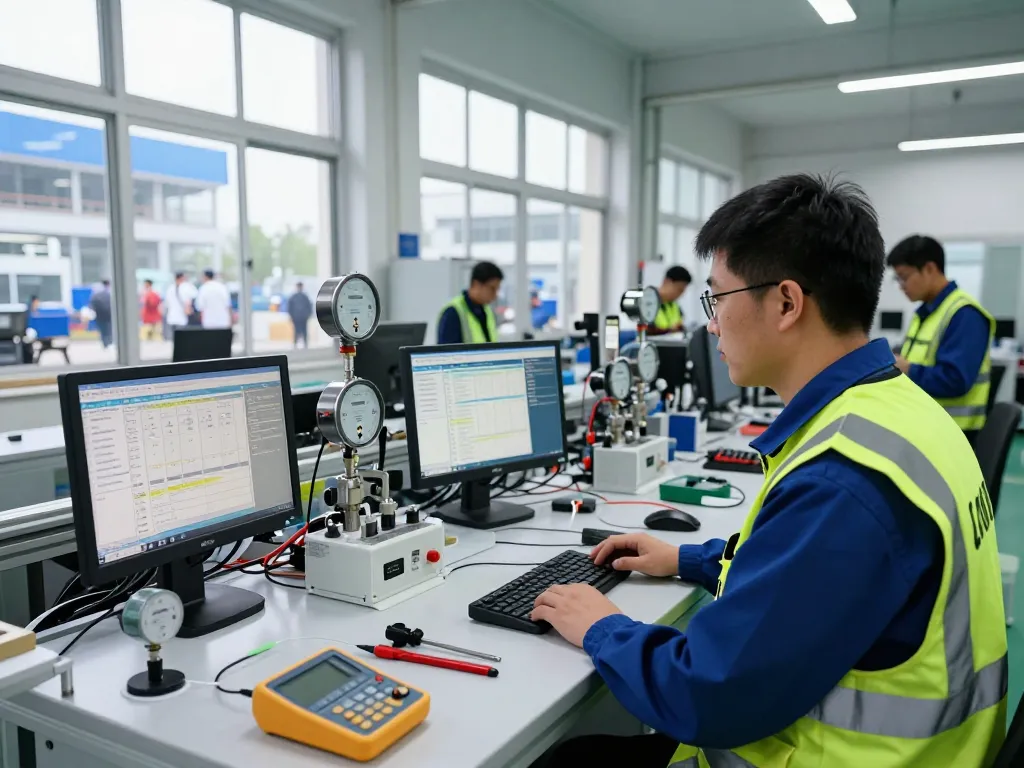

Understanding Construction Safety Training
In the construction industry, safety is not just a legal requirement; it’s a critical component that can dramatically affect the well-being of employees and the overall success of a project. Proper understanding and implementation of construction safety training can ultimately save lives, reduce injury rates, and minimize financial losses associated with accidents. This article delves deep into the importance of construction safety training, its components, regulatory frameworks, best practices for developing training programs, common challenges, and more.
Importance of Construction Safety Training
The importance of construction safety training cannot be overstated. Each year, thousands of workers are injured on the job, and many accidents lead to fatalities. Safety training is essential because it educates workers about potential hazards and proper safety protocol. By fostering a culture of safety, organizations can enhance productivity, improve employee morale, and promote a positive reputation within the industry. Furthermore, effective safety training leads to reduced insurance costs and liability, thus benefiting the organization financially.
Key Components of Safety Training
Construction safety training should include several key components:
- Hazard Recognition: Workers must understand how to identify and assess potential hazards in their environment.
- Personal Protective Equipment (PPE): Training on proper use and maintenance of PPE is critical for protecting workers from injuries.
- Emergency Procedures: Workers need to be well-versed in emergency response plans and evacuation procedures.
- Equipment Safety: Proper training on the use of tools and machinery reduces the likelihood of accidents.
- Regulatory Compliance: Understanding federal and state regulations regarding workplace safety is crucial.
Regulatory Framework and Compliance
Compliance with relevant safety standards and regulations is essential for any construction operation. The Occupational Safety and Health Administration (OSHA) sets forth standards that govern various aspects of safety within the industry. Regulations vary depending on the specific type of work and can include guidelines for scaffolding, electrical safety, and fall protection. Adhering to these regulations not only ensures legal compliance but also promotes a safe work environment. Organizations should regularly review and update their training programs to align with any changes in regulations.
Best Practices for Developing Training Programs
Creating an effective construction safety training program requires a strategic approach that considers the unique needs of the workforce and the specific risks associated with projects.
Customized Training Approaches
No two construction sites are the same, which means that training programs must be tailored to specific projects and personnel. Conducting site-specific training ensures that workers are aware of the unique hazards they may face, such as the use of particular machinery or handling specific materials. Customization also involves understanding the various educational backgrounds and experience levels of workers, allowing trainers to create relevant and engaging content.
Utilizing Technology in Training
Today, technology offers powerful tools to enhance safety training. Virtual Reality (VR) and Augmented Reality (AR) provide immersive learning experiences, allowing workers to practice safety procedures in simulated environments. Online training platforms enable flexible learning, allowing workers to complete courses at their convenience while also tracking their progress. Moreover, incorporating interactive elements, such as quizzes and videos, can increase engagement and retention of information.
Engagement Techniques for Effectiveness
Engagement is crucial for effective training. Instructors should utilize a variety of teaching methods, such as hands-on practice, group discussions, and real-life case studies. Encouraging questions and providing scenarios for problem-solving exercises allow workers to internalize safety concepts better. Additionally, recognizing and rewarding safe behaviors creates a culture of safety where employees feel valued and motivated to adhere to safety protocols.
Common Challenges in Construction Safety Training
Despite the best efforts, organizations often face challenges when implementing construction safety training programs. Identifying these challenges is the first step toward overcoming them.
Overcoming Communication Barriers
Communication is vital in safety training, but language differences and varying levels of understanding can hinder effectiveness. Organizations should ensure that training materials are accessible and understandable for all employees, utilizing translators or creating bilingual resources as necessary. Encouraging a non-punitive environment where workers can freely express concerns or confusion also helps foster better communication.
Addressing Diverse Workforce Needs
Construction sites often employ a diverse workforce, which can include workers of different ages, experiences, and cultural backgrounds. Training programs must accommodate this diversity by incorporating various learning styles and ensuring that content is culturally relevant. By doing so, organizations can ensure that all workers benefit from the training and understand the importance of safety.
Time Management in Training Delivery
Finding time for training can be difficult on busy construction sites. Organizations should prioritize safety training by integrating it into daily routines. This can mean shorter, more frequent training sessions, or using “toolbox talks” to address specific issues on-site. By embedding safety discussions within normal workflows, companies can make safety a shared responsibility and ongoing conversation.
Measuring Success and Continuous Improvement
Measuring the effectiveness of safety training programs is crucial to ensuring ongoing improvement and compliance. Organizations should adopt metrics to evaluate training outcomes and seek continuous improvement.
Performance Metrics for Training Outcomes
Performance metrics help organizations evaluate the success of their safety training initiatives. Metrics can include incident rates, near misses, and worker feedback. By analyzing these data points, organizations can identify areas of weakness and adjust training plans accordingly. Tracking trends over time further allows for an assessment of the effectiveness of implemented changes.
Gathering Feedback for Enhancement
Soliciting feedback from employees who undergo training is essential. Surveys and informal discussions can provide insight into what worked and what didn’t. Organizations should encourage constructive criticism and utilize this information to refine training materials, making them more relevant and effective for the workforce.
Adjusting to Industry Changes
The construction industry is continuously evolving, with new technologies and methods being introduced regularly. Training programs must remain flexible and responsive to these changes. Staying informed about industry trends and updating content ensures that workers receive relevant training that accurately reflects the current standards and practices.
Frequently Asked Questions about Construction Safety Training
What is the goal of construction safety training?
The primary goal is to minimize accidents and injuries on construction sites through proper education and practices.
How often should safety training be conducted?
Safety training should ideally be ongoing, with frequent refreshers or updates as hazards change or regulations evolve.
What are key topics covered in training?
Topics typically include hazard recognition, proper equipment use, emergency procedures, and personal protective equipment.
Who should receive construction safety training?
All personnel on a construction site, including laborers, supervisors, and management, should undergo safety training.
Are certifications necessary for trainers?
Yes, having certified trainers ensures that the training provided is credible and meets industry standards and regulations.