
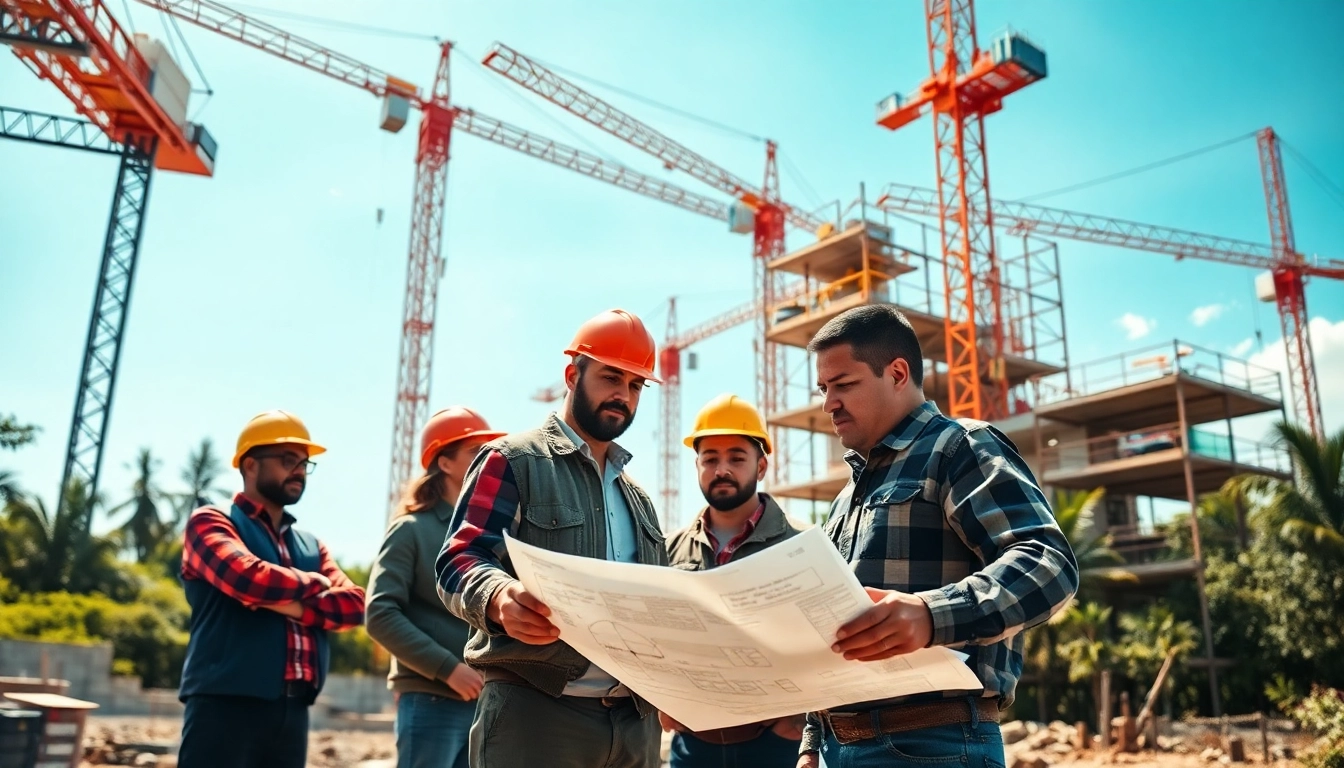
The Importance of a Construction Association
In the complex world of the construction industry, a cohesive structure is vital for success. This is where a construction association comes into play. By bringing together various stakeholders in the construction field—contractors, builders, engineers, and other related professionals—these associations create an essential thread woven into the fabric of the industry. This article delves into the critical importance of construction associations, discussing their key benefits, advocacy efforts, training initiatives, networking opportunities, and anticipated future trends. Understanding their role can help professionals in the construction industry harness their full potential and navigate challenges effectively.
Why Construction Associations Matter
Construction associations are more than just groups; they are the heart of the construction community. They provide advocacy, resources, and support that members may not access on their own. This support is particularly crucial in addressing challenges unique to the construction sector, from regulatory compliance to workforce shortages. Moreover, associations help standardize practices, improving overall quality and safety within the industry.
Participation in a construction association can also mitigate risks by pooling resources, sharing best practices, and facilitating partnerships that might not otherwise develop. By collaborating, members can address common challenges while fostering a culture of continuous improvement.
Key Benefits for Members
Members of a construction association gain access to numerous benefits that can significantly impact their professional journey. These benefits include:
- Access to Resources: Members often gain exclusive access to industry reports, market data, and cutting-edge technology.
- Professional Development: Opportunities for training and certifications are frequently provided, keeping members competitive.
- Advocacy: Associations advocate for members at local, state, and national levels, influencing policies that affect the industry.
- Networking Opportunities: Members can expand their professional networks, creating valuable connections and partnerships.
By understanding and leveraging these benefits, members can enhance their operational efficiency and achieve greater professional success.
Building Industry Standards
A significant role of construction associations is to establish and promote industry standards. These standards ensure that all members adhere to safe practices and deliver high-quality work. For instance, an association may set guidelines for safety protocols or training requirements.
The establishment of these standards fosters trust among consumers, regulatory bodies, and other industry players. When industry members follow a recognized set of standards, it helps evening the playing field while promoting accountability and excellence across the board.
Advocacy and Representation
The Voice of the Construction Industry
One of the most critical functions of a construction association is advocacy. Associations act as the collective voice of the industry, representing the interests of their members to policymakers, regulatory agencies, and the public. They regularly engage in discussions about legislation that affects construction practices, safety, and business operations.
By advocating for favorable regulations and legislation, associations can help create an environment that promotes growth, competitiveness, and innovation. They also serve as a bridge to government bodies, facilitating communication and collaboration between the industry and policymakers.
Legislative Impacts on Construction
Legislation can have a profound impact on the construction industry. From safety regulations to labor laws, the rules governing the industry are constantly changing. Construction associations work diligently to monitor these changes, educate members, and lobby for changes that positively affect the industry.
The impact of legislation often extends beyond compliance; it can shape the operational framework of businesses within the construction sector. Through proactive engagement, associations can influence the direction of critical policies and their implementation, ultimately benefiting their members.
Collaborations with Government Entities
Building strong relationships with government entities is crucial for construction associations. By collaborating on initiatives related to infrastructure development, safety programs, and workforce training, associations can help ensure that the construction industry has the support it needs to thrive.
These collaborations can lead to better funding allocations for public projects, development of better training programs, and policies that promote sustainable construction practices. Associations often leverage these relationships to benefit their members and promote the industry’s image as a whole.
Training and Education Initiatives
Skill Development for Workers
Continuous learning is vital in the construction industry, where new technologies and practices emerge regularly. Construction associations play a pivotal role in facilitating this development by offering training programs designed for various skill levels—from apprentices to seasoned professionals.
These initiatives help bridge the skills gap within the industry, ensuring that workers maintain relevant competencies and are prepared to meet contemporary challenges. Programs often focus on safety protocols, new technologies, and industry best practices, which are crucial for elevating the workforce’s expertise.
Certification Programs Offered
Many construction associations provide certification programs that validate the skills and knowledge of workers. These certifications can enhance employability and credibility, benefiting both individuals and employers.
Certification programs may include specialties such as project management, safety communication, or specific technical proficiencies. This endorsement can help workers distinguish themselves in a competitive job market and ensure that they remain up-to-date with industry standards.
Workshops and Networking Events
Beyond formal training, associations organize workshops and events that foster informal learning and networking. These gatherings provide opportunities for members to share experiences, learn from industry experts, and discuss innovative practices.
Networking events help members build connections that can lead to collaborations on future projects or career advancements. Such interactions promote a supportive community that values knowledge sharing and collective growth.
Networking Opportunities
Building Professional Relationships
Networking is a fundamental aspect of growth in any profession, and the construction industry is no exception. By engaging with peers, industry leaders, and influencers, individuals can build professional relationships that often prove beneficial in their careers.
Construction associations create a dynamic environment where professionals can connect, brainstorm solutions to common challenges, and explore new opportunities. These relationships can provide insight into best practices and emerging trends while fostering a sense of camaraderie within the industry.
Industry-specific Conferences
Conferences hosted by construction associations often attract a diverse audience, including executives, practitioners, and thought leaders. These events feature keynote speakers, workshops, and panel discussions focusing on current trends, advancements, and challenges in the construction world.
Participation in industry-specific conferences not only enhances knowledge but also provides a platform for members to showcase innovations and case studies. Networking at such events can catalyze partnerships and collaborations that expand professional horizons.
Mentorship Programs
Mentorship is a powerful form of professional development, providing emerging professionals with guidance from seasoned experts. Many construction associations offer structured mentorship programs, pairing novice members with experienced veterans.
Through these programs, younger professionals gain insights into industry practices, while mentors cultivate leadership skills and give back to the community. This mutually beneficial relationship ensures the transfer of knowledge and supports a continuous pipeline of talent and expertise within the construction sector.
Future Trends in Construction
Adapting to Technology Advancements
Technology is rapidly transforming every industry, and construction is no exception. Innovations such as Building Information Modeling (BIM), drones, and IoT (Internet of Things) are revolutionizing how projects are planned, executed, and monitored. Construction associations play a critical role in helping members adapt to these changes.
By offering training on new technologies and encouraging their adoption, associations can ensure that their members remain competitive in an evolving landscape. Adapting to technological advancements also means embracing data-driven decision-making, contributing to more efficient processes and better project outcomes.
Environmental Sustainability Practices
As concerns about climate change continue to shape policies and consumer preferences, sustainability is becoming a paramount focus in construction. Construction associations are at the forefront of promoting environmentally responsible practices through education and advocacy.
By raising awareness about sustainable building materials, energy-efficient designs, and waste reduction practices, associations help members position themselves as leaders in sustainability. A commitment to sustainability not only aligns with global trends but also brings long-term cost benefits to organizations and the communities they serve.
Embracing Innovative Construction Methods
Innovation in construction is not just limited to technology; it encompasses new construction methods such as modular construction, 3D printing, and advanced prefabrication techniques. These innovative approaches can lead to increased efficiency and reduced costs.
Construction associations can facilitate the adoption of these methods by providing resources, training, and support. Encouraging exploration and experimentation with innovative construction methods positions the industry for growth and adaptability in changing market conditions.
Frequently Asked Questions
What is the primary function of a construction association?
A construction association primarily advocates for the interests of its members, providing resources, training, networking opportunities, and establishing industry standards.
How can I join a construction association?
Joining a construction association typically involves submitting an application and paying membership dues. Specific requirements may vary by association.
What types of training do construction associations offer?
Construction associations offer various training programs, including safety training, skill development workshops, and certification courses tailored to different roles in the industry.
Are construction associations involved in advocacy?
Yes, construction associations actively advocate for their members’ interests at various legislative levels, influencing regulations that affect the industry.
What are the benefits of attending industry conferences?
Attending industry conferences provides opportunities for networking, learning about current trends, attending workshops, and showcasing innovations to peers in the construction sector.