
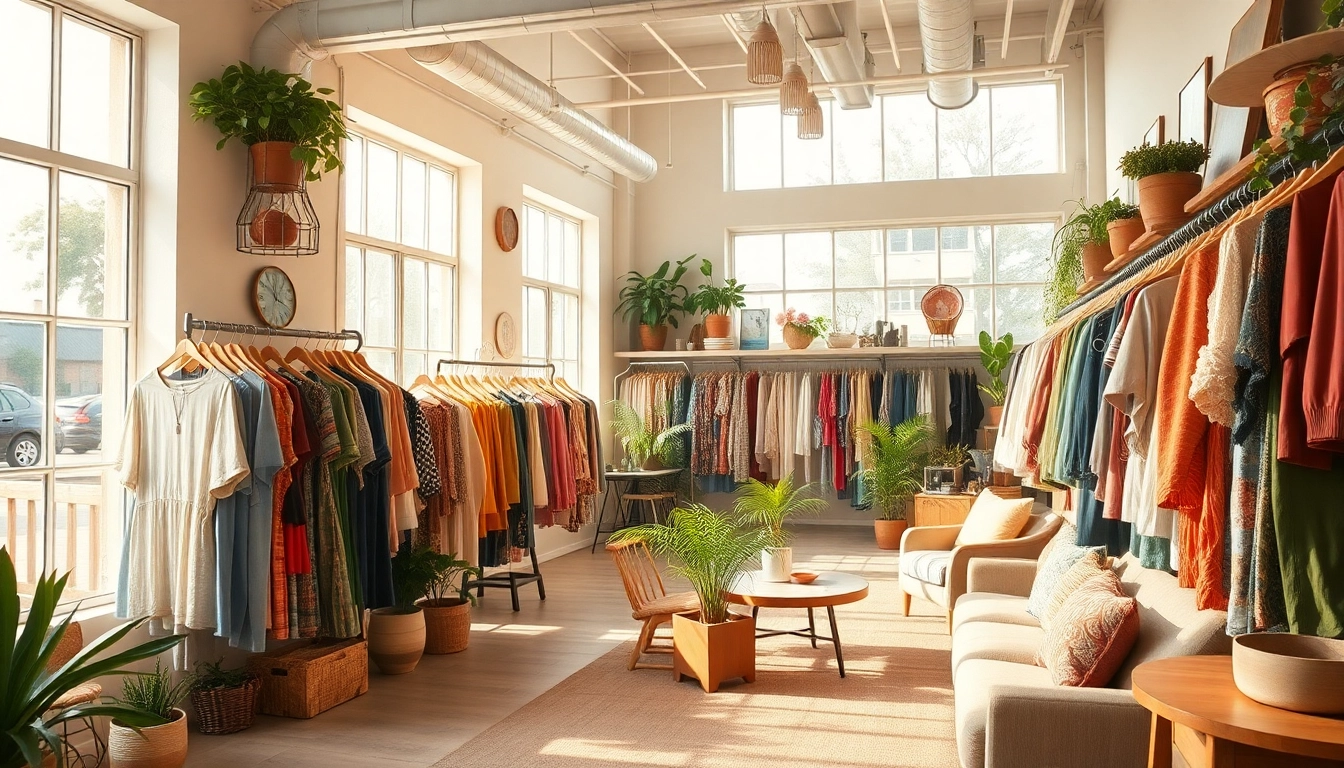
Understanding the Second Hand Shop Concept
What is a Second Hand Shop?
A Second hand shop is a retail establishment where pre-owned items are sold. Often, these shops focus on clothing, furniture, antiques, and collectibles. They source their inventory from individuals, charities, or overstock from businesses and provide a unique twist on traditional shopping by offering items with history and character.
These shops serve as sustainable alternatives to fast fashion and mass-produced goods, promoting a culture of reuse and recycling. By offering items that have previously been loved and used, second hand shops create a narrative of consumerism that prioritizes sustainability while celebrating the uniqueness of each product.
Benefits of Shopping Second Hand
Shopping at a second hand shop comes with myriad benefits, ranging from financial to environmental considerations.
- Cost-effectiveness: One of the primary advantages of buying second hand is the lower price point. Items in these shops are often significantly cheaper than their brand-new counterparts, allowing shoppers to save money while still purchasing quality items.
- Unique finds: Second hand shops offer one-of-a-kind products that you won’t find in conventional stores. From vintage clothing to retro furniture, these items allow shoppers to express their personal styles and stand out from the crowd.
- Sustainability: Buying second hand reduces waste and promotes environmental conservation. Each purchase supports a circular economy by encouraging the reuse of goods, which decreases the demand for new production and cuts down on resource depletion.
- Supporting local businesses: Many second hand shops are independently owned or run by nonprofits. By shopping second hand, you contribute to local economies and support the communities in which these shops operate.
Environmental Impact of Second Hand Shopping
The environmental impact of second hand shopping is profound. Each year, millions of tons of textiles and other goods contribute to landfill waste. By purchasing second hand, consumers actively engage in sustainable practices that help mitigate this issue.
Second hand shopping significantly reduces carbon emissions related to the production of new items. Manufacturing processes for new goods require substantial energy and resources; by opting for pre-owned items, consumers help lower the overall demand for these processes. Furthermore, each product purchased second hand is one less item that potentially ends up in a landfill, reducing the overall environmental footprint.
Additionally, second hand shopping encourages conscious consumerism, with individuals thinking critically about their purchases and making informed decisions based on sustainability. This shift in mindset fosters a culture of responsibility, where consumers recognize the impact of their buying habits on the world.
How to Choose the Right Second Hand Shop
Location and Accessibility
When selecting a second hand shop, location plays a crucial role. Look for shops that are convenient to access, as accessibility often influences how frequently you can visit. Local stores may also offer a rotating inventory of items, allowing for new discoveries with each visit.
Consider exploring shops that are part of different neighborhoods or suburban areas—each might have their own unique selection and character. For instance, urban areas often feature eclectic, stylish shops rich in vintage finds, while suburban shops may have a variety of household goods.
Types of Products Available
Another factor to consider is the variety of products available in a second hand shop. Some shops specialize in certain categories—clothing, furniture, home decor, books, or electronics—while others may offer a wide range of items.
Before visiting, take note of what you’re looking for; if it’s vintage clothing, a shop known for its curated apparel would be ideal. On the other hand, if you’re seeking furniture, explore shops that cater specifically to home goods. Understanding shop specialties can greatly enhance your shopping experience and lead to more satisfying finds.
Shop Policies and Practices
Every second hand shop establishes its own policies regarding returns, exchanges, and pricing. It’s vital to familiarize yourself with these guidelines before making a purchase. Some shops might offer a grace period for returns, while others may not allow any returns at all.
Additionally, consider the shop’s pricing strategy. Some operations price items below market value to encourage sales while others may use a consignment model with higher prices. Understanding how a shop determines prices—whether they assess condition, brand, or type—can aid you in negotiating more effectively and ensuring you receive a fair deal.
Maximizing Your Second Hand Shopping Experience
Tips for Finding Quality Items
Shopping second hand can sometimes feel like a treasure hunt, but there are strategies to ensure you find quality items. First, familiarize yourself with the brands or types of items you prefer, as this can help you identify quality pieces quickly.
When browsing, examine items carefully for any signs of damage or wear. Check seams, zippers, and buttons in clothing, and inspect furniture for sturdiness and structural issues. Don’t shy away from asking staff questions—they often have valuable insights about the items available.
Also, visit often, as shops frequently restock. Becoming a regular allows you to quickly identify new arrivals, increasing your chances of snagging a hidden gem before someone else does.
Negotiating Prices and Discounts
Negotiation is often an overlooked aspect of second hand shopping. While many items are already priced affordably, there may be room for negotiation, particularly if an item has notable imperfections. Most shop owners are open to reasonable offers, especially if they’ve had the item for a while.
Be polite and approach the conversation confidently. Establish a rapport with the staff as a friendly demeanor can go a long way in securing a better price. Don’t forget to inquire about any ongoing promotions or discounts, as many second hand shops run sales periodically.
Creating a Personal Style with Second Hand Finds
Second hand shopping is an excellent way to cultivate a unique personal style. With the diverse array of items available, you can curate a wardrobe or home that truly reflects your individual tastes and preferences.
To create a cohesive style, consider the following approaches:
- Mix and Match: Embrace eclectic pieces by blending different styles, eras, and textiles to create layers in your outfits or home decor.
- Customization: Don’t hesitate to tailor or upcycle thrifted finds. A little creativity can transform a piece into a statement item.
- Be Open-Minded: Keep an open mind about potential purchases; sometimes an item that you’re initially unsure about can become a favorite.
Common Challenges When Shopping at Second Hand Shops
Dealing with Sizing Issues
Sizing inconsistencies can present a significant challenge when shopping second hand, as items may not follow the same sizing guidelines prevalent today. Vintage clothing, especially, can differ greatly based on era and brand.
To overcome these discrepancies, take measurements of the items you intend to purchase, and compare them to your own measurements before buying. It’s also worthwhile to try on items when possible, as the fit can vary widely even among similar styles.
Identifying Authentic Vintage Goods
Another common challenge is distinguishing genuine vintage items from reproductions. Many shops may carry both authentic vintage and newer items styled to look old.
To identify true vintage, research the era-specific details of the items you love. Pay attention to tags, materials, and fabric quality; older items feature different manufacturing standards that can significantly impact their aesthetic and value. Using resources like online guides or apps can be incredibly helpful for building your knowledge on this subject.
Managing Expectations on Selection
While second hand shopping can yield incredible finds, it can also come with moments of disappointment. Inventory varies continuously, which means you might visit a shop frequently and find nothing appealing at times.
Manage your expectations by recognizing that second hand shopping is about the experience and the thrill of discovery. Each visit can yield different results, so patience is crucial. Make a shopping list based on what you need, but be flexible and keep an open mind when you stumble across something unexpected.
FAQs About Second Hand Shops
How often do second hand shops restock items?
Restocking frequency varies; many shops receive new inventory daily or weekly, depending on donations and sales.
Can I return items purchased at a second hand shop?
Return policies differ; check with each shop before purchasing to understand their specific guidelines.
Are second hand items in good condition?
Most items are gently used and can be in excellent condition; it’s always wise to inspect thoroughly before buying.
Is second hand shopping really eco-friendly?
Yes, buying second hand reduces waste, promotes recycling, and supports sustainable consumption practices.
Can I sell my items to a second hand shop?
Many shops buy or accept donations from individuals; verify the specific shop’s policies regarding selling.