
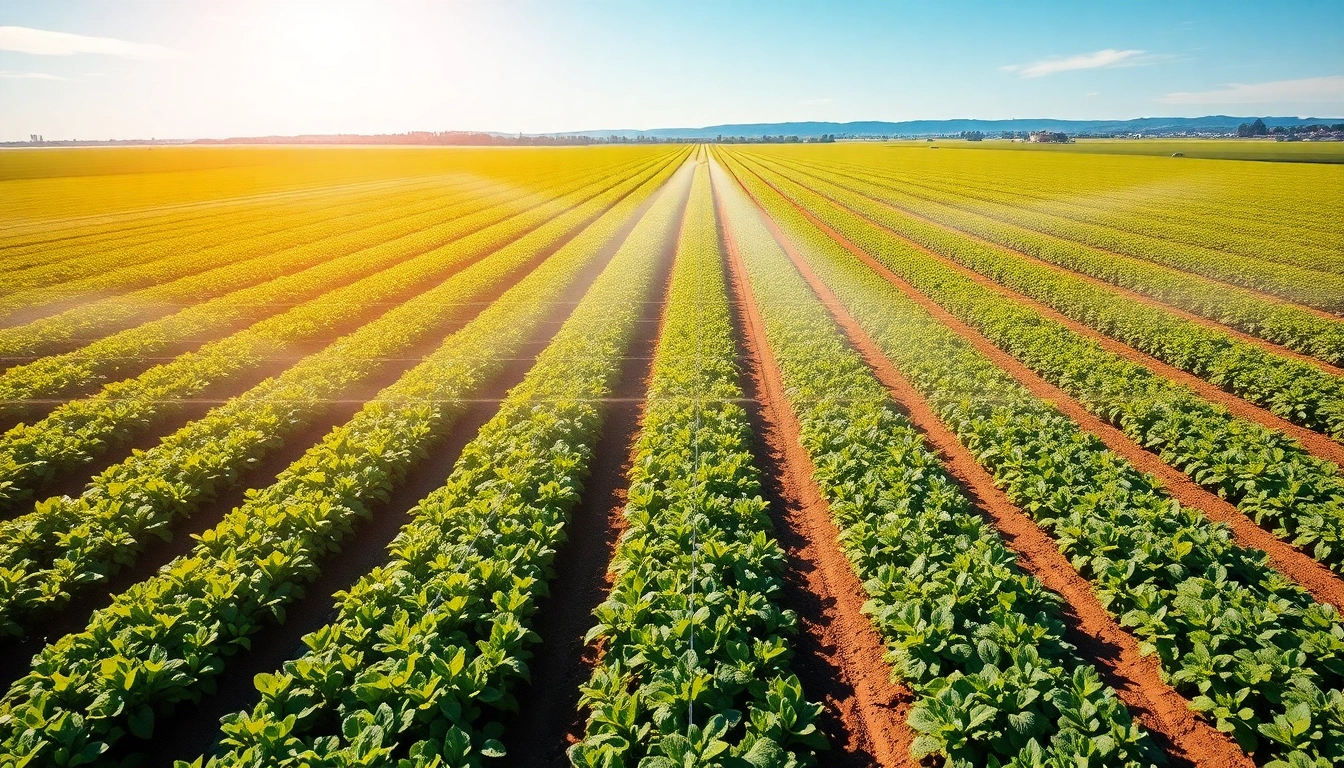
Understanding Land Irrigation
Definition and Importance of Land Irrigation
Land irrigation is the controlled application of water to agricultural crops to foster growth and optimize yield. This method has been essential in agricultural practices, providing sufficient moisture to crops and enabling farmers to produce food in varying climates. Proper land irrigation is crucial for ensuring food security, especially in regions where natural rainfall is insufficient or unpredictable. It enhances crop productivity and offers a sustainable approach to managing water resources, making it a fundamental component of modern agriculture. By utilizing techniques such as land irrigation, farmers can efficiently manage their water supply and contribute to a more sustainable future.
Types of Land Irrigation Techniques
Various land irrigation techniques have been developed to cater to different agricultural environments and water availability. The primary types include:
- Surface Irrigation: Involves the application of water to the soil surface and allowing it to flow over the field by gravity. This traditional method can include furrow, basin, or flood irrigation.
- Drip Irrigation: This low-flow irrigation technique delivers water directly to the base of the plant via a network of tubing, ensuring precision and minimizing evaporation.
- Sprinkler Irrigation: Water is sprayed over crops in the form of droplets, simulating natural rainfall. This system can be stationary or mobile, offering versatility in application.
- Subsurface Irrigation: Similar to drip irrigation, this involves burying the irrigation pipes underground, delivering water directly to the plant roots, which is efficient in terms of both water and energy use.
Benefits of Efficient Land Irrigation
The implementation of efficient land irrigation systems has numerous advantages that extend beyond just increased crop yields:
- Water Conservation: Efficient irrigation techniques, such as drip irrigation, significantly reduce water consumption by delivering water directly to the roots.
- Increased Productivity: With controlled water application, crops can be grown optimally, leading to higher yields and improved quality.
- Cost Efficiency: While the initial installation of some systems may be expensive, long-term savings are often realized through reduced water use and improved productivity.
- Soil Health: Proper irrigation helps maintain soil structure, prevents salinization, and promotes nutrient availability.
Key Techniques for Effective Land Irrigation
Drip Irrigation for Water Conservation
One of the most effective methods of land irrigation, drip irrigation offers a precise and efficient way to deliver water directly to plant roots. This system utilizes emitters positioned strategically to minimize evaporation and runoff. Studies have shown that drip irrigation can reduce water usage by up to 50% compared to traditional methods. Furthermore, it promotes healthier plants by providing consistent moisture levels and reducing the incidence of plant diseases associated with excess moisture on leaves.
Installation can be complex, requiring careful planning and management, but the benefits significantly outweigh the challenges. Farmers utilizing drip irrigation often report better crop yields and significant savings on water and fertilizer.
Sprinkler Systems and Their Advantages
Sprinkler systems provide a flexible irrigation solution that can be adapted to various field sizes and shapes. Water is distributed through a series of pipes and pumped into the air via nozzles, simulating natural rainfall. This method is particularly useful in large agricultural fields and is suitable for a wide range of crops.
Some advantages include:
- Flexibility: Easily adjustable to suit different terrains and types of crops.
- Wide Application: Suitable for various stages of crop growth, as it can be used for both watering and frost protection.
- Reduced Soil Erosion: When managed carefully, sprinklers can minimize the soil erosion typically associated with other irrigation techniques.
Surface Irrigation: A Traditional Approach
Surface irrigation, the oldest method of irrigation, involves the gravity-driven flow of water across the land. Despite being traditional, it remains relevant due to its simplicity and low cost of implementation. Different variations include furrow irrigation, where water is directed along furrows between crop rows, and basin irrigation, which floods a defined area around the plant.
While it may not be as water-efficient as modern methods, surface irrigation can still be effective if managed correctly. It typically requires good soil management to prevent water runoff and excess water loss.
Challenges in Implementing Land Irrigation
Common Obstacles Farmers Face
Despite its advantages, implementing effective land irrigation is not without challenges. Some common obstacles include:
- Water Scarcity: Many regions face water shortages, making the effective management of existing resources critical.
- Soil Quality: Poor soil conditions, such as high salinity, can reduce the effectiveness of irrigation efforts and impact crop health.
- Initial Costs: Modern irrigation technologies often entail significant upfront investments, which can be a barrier for small-scale farmers.
- Maintenance: Systems require regular upkeep to ensure optimal performance and efficiency.
Soil and Environmental Considerations
The type of soil and environmental conditions greatly influence irrigation effectiveness. For example, clay soils retain water longer than sandy soils, which can lead to waterlogged conditions if not managed carefully. Additionally, environmental factors such as climate change can affect precipitation patterns, further complicating irrigation planning.
Farmers must consider these variables when designing their irrigation systems to ensure sustainability and efficiency. Soil testing and monitoring can help tailor irrigation approaches to specific conditions.
Cost-Benefit Analysis of Different Methods
Implementing irrigation systems involves analyzing various costs, including installation, maintenance, labor, and water sourcing. Each irrigation method has different financial implications depending on the scale of use and local conditions. For instance, while drip irrigation systems may have higher initial costs, they often yield more significant long-term savings through water conservation.
Farmers should conduct thorough cost-benefit analyses, weighing the initial investment against potential increases in yield and reductions in water use. Understanding these financial dynamics can help farmers make informed decisions regarding investment in irrigation technology.
Best Practices for Land Irrigation
Proper Scheduling and Maintenance
Effective land irrigation requires careful scheduling to ensure crops receive the right amount of water at the right times. This can involve using weather data, soil moisture sensors, and crop growth stages to inform irrigation schedules.
Regular maintenance of irrigation systems is equally important. Clogging of emitters in drip systems can drastically reduce efficiency, while leaks in sprinkler systems can lead to water wastage. Routine inspections and prompt repairs can help maintain system functionality and minimize losses.
Innovative Technologies and Tools
The integration of technology has revolutionized land irrigation practices. Innovations such as sensor technology, automated controllers, and precision agriculture tools enable farmers to monitor soil moisture levels and crop health in real-time. These advancements lead to more informed decision-making and adaptive management, enhancing irrigation efficiency.
Additionally, mobile applications can provide farmers with real-time weather updates, irrigation scheduling recommendations, and best practices to optimize water usage. By embracing these technologies, farmers can significantly enhance productivity while conserving vital resources.
Monitoring and Adjusting Irrigation Systems
Constant monitoring is key to optimizing irrigation practices. Farmers should regularly check their irrigation systems and soil moisture levels to ensure that crops are receiving adequate moisture without wasting water. Utilizing irrigation management software can assist in tracking performance metrics and adjusting schedules as necessary.
Adjustments based on environmental changes, such as rainfall or temperature fluctuations, are essential. Flexibility in system operation allows for a responsive approach to irrigation, maximizing both water conservation and crop yield.
Future Trends in Land Irrigation
Emerging Technologies in Agricultural Irrigation
The future of land irrigation is optimistic, driven by the continuous evolution of technology. Innovations such as smart irrigation systems, which integrate IoT devices, allow for precise water management based on real-time data analysis.
Advanced machine learning algorithms can predict optimal irrigation schedules and amounts, tailoring irrigation plans to current environmental conditions. This shift toward data-driven irrigation practices is expected to improve overall efficiency, reduce costs, and support sustainable farming practices.
Sustainable Practices for Water Management
With increasing pressure on water resources, sustainable practices are becoming essential in agricultural irrigation. Techniques such as rainwater harvesting, wastewater reuse, and subsurface irrigation are gaining traction in sustainable farming. These approaches aim to conserve water while ensuring that agricultural demands are met.
Sustainability also involves a commitment to preserving ecosystems and biodiversity. By adopting responsible water management techniques, farmers can balance agricultural productivity with environmental stewardship.
The Role of Data Analytics in Irrigation Efficiency
Data analytics is transforming how irrigation is managed and optimized. The use of big data allows farmers to analyze various factors influencing crop growth, including soil health, climate, and water availability. This data-driven approach enables farmers to make proactive decisions about irrigation, enhancing efficiency and reducing resource waste.
Furthermore, the integration of predictive analytics can help forewarn farmers about potential issues, such as pest infestations or disease outbreaks, allowing for timely intervention that can improve overall crop health and irrigation efficiency.
FAQs
What is land irrigation?
Land irrigation is the application of controlled amounts of water to crops at specific intervals to enhance growth and optimize agricultural yield.
What are the types of land irrigation?
Common types of land irrigation include drip irrigation, sprinkler systems, and surface irrigation, each suited to different agricultural needs and environments.
Why is efficient land irrigation important?
Efficient land irrigation conserves water, promotes healthy crop growth, reduces costs, and increases agricultural productivity, ensuring a sustainable food supply.
What challenges are faced in land irrigation?
Challenges include water scarcity, soil salinity, high costs of modern systems, and climate variability affecting traditional irrigation practices.
What trends are shaping the future of land irrigation?
Future trends include the adoption of smart irrigation technologies, data-driven decision-making, and sustainability practices aimed at efficient water usage.