Understanding Metal Roofing: Key Features and Benefits
What is Metal Roofing?
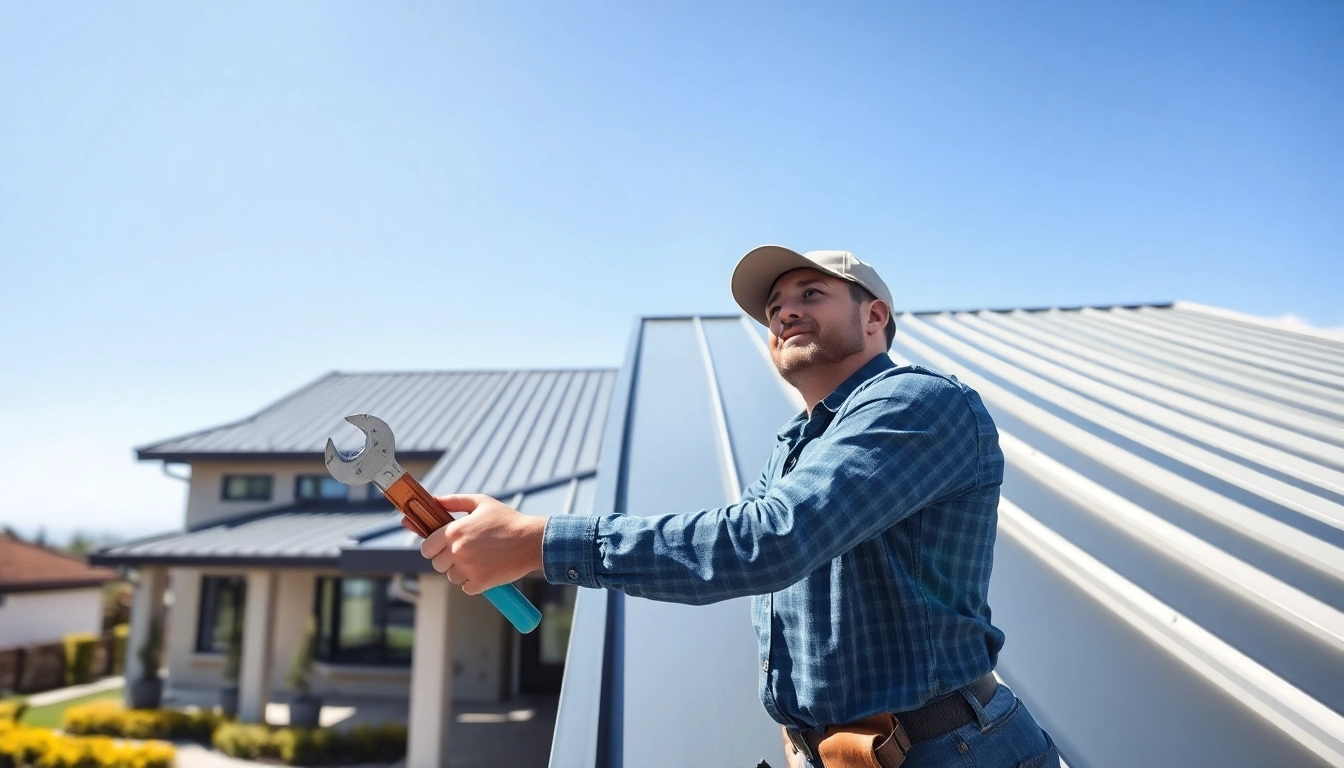
Metal roofing refers to roofing systems made from metal pieces or tiles characterized by their high durability and longevity. Common metals used include steel, aluminum, copper, and alloy. Unlike traditional shingle roofs, metal roofing is designed to shed water and withstand extreme weather conditions, making it an appealing choice for those looking to safeguard their homes for the long term. With aesthetics that can range from sleek modern designs to more traditional looks, metal roofing has become an increasingly favored option for homeowners looking to enhance the resilience and appearance of their properties.
Advantages of Metal Roofing
Metal roofing offers numerous advantages that set it apart from other roofing materials. Some key benefits include:
- Durability: Metal roofs are built to last; they can withstand severe elements like hail, rain, and strong winds, significantly reducing the chance of damage.
- Longevity: A properly installed metal roof can last 40 to 70 years, offering a worthwhile investment for homeowners.
- Energy Efficiency: Metal’s reflective properties help reduce cooling costs during warm months, increasing overall energy efficiency.
- Environmentally Friendly: Many metal roofs are made from recycled materials and can be fully recycled at the end of their life cycle.
- Low Maintenance: Once installed, metal roofs require minimal maintenance, saving homeowners both time and money in the long run.
Common Types of Metal Roofing
When considering metal roofing, homeowners have various options to choose from. Each type offers its unique characteristics:
- Steel Roofing: Known for its strength and affordability, steel roofing is often coated with zinc or painted to prevent rusting.
- Aluminum Roofing: Lightweight and resistant to corrosion, aluminum roofing is an excellent choice for coastal areas.
- Copper Roofing: Copper has a distinctive beauty and remarkable longevity, but it is more expensive compared to other metals.
- Zinc Roofing: Zinc is self-healing and can last up to 100 years, making it one of the most durable options available.
- Metal Shingles: These mimic traditional roofing styles while providing the benefits of metal. They are available in various colors and finishes.
Installation Process: Steps to Success
Preparing for Metal Roofing Installation
Proper preparation is crucial for a successful metal roofing installation. The first step involves a thorough assessment of your existing roof. This includes identifying any necessary repairs and ensuring the underlying structure supports the new roofing material. Consider the choice of insulation and ventilation options, as they can impact the overall performance of the roofing system. Additionally, securing any necessary permits or approvals from local authorities should be part of your preparation process.
Choosing the Right Tools and Materials
Using quality tools and materials is essential for achieving the best results during installation. Basic tools include safety goggles, gloves, a metal cutter, a drill, and a measuring tape. Selecting high-quality metal panels, underlayment, sealants, and fasteners is important to ensure durability and effectiveness. For added peace of mind, consider consulting with a professional installer to recommend the best products suited to your specific needs.
Safe Installation Techniques
Safety should always be a priority during the installation process. Here are some important safety techniques to follow:
- Proper Ladder Use: Ensure ladders are stable and used correctly to prevent falls.
- Use of Personal Protective Equipment (PPE): Always wear safety gear, including gloves and safety glasses.
- Handling Panels Safely: Metal panels can be sharp; handle them carefully and use protective gloves.
- Preventing Heat Stress: Take regular breaks, stay hydrated, and work in cooler parts of the day during the summer.
Maintenance and Care for Metal Roofing
Routine Inspections and Cleaning
Maintaining a metal roof involves regular inspections and cleaning to ensure optimal performance. Inspect the roof for any signs of damage, loose fasteners, and rust spots. Cleaning the roof at least twice a year can help remove debris, dirt, and moss, which can reduce the lifespan of the roofing material. Use a gentle power wash or a hose—avoid harsh chemicals that could damage the roof.
Addressing Common Issues
Common issues with metal roofing include rust accumulation, denting, and misaligned panels. Early detection is key to prevention; promptly address rust issues by treating or replacing affected areas. Keep track of any loose fasteners, especially after severe weather. Consult with a professional if there are significant concerns regarding structural integrity or severe damage.
Long-term Preservation Tips
To prolong the life and appearance of your metal roofing, consider these preservation tips:
- Coating Options: Utilize protective coatings that prevent rust and improve energy efficiency.
- Temperature Regulation: Adequate ventilation will inhibit rust formation and help maintain the materials.
- Timely Repairs: Conduct minor repairs immediately to prevent escalating damage and increasing costs.
Energy Efficiency and Sustainability of Metal Roofing
How Metal Roofing Contributes to Energy Savings
Metal roofing systems often reflect solar radiant heat, reducing cooling costs in warm climates. This reflective quality can help improve a home’s energy efficiency significantly. Additionally, lighter-colored metal roofing is generally preferred in warm regions for optimal cooling, while darker colors absorb heat better in colder climates. This energy-saving characteristic not only benefits homeowners financially but also contributes to reducing the building’s carbon footprint.
Recyclability and Environmental Impact
One of the standout features of metal roofing is its environmentally sustainable nature. Many metal roofs are composed of recycled materials and can themselves be recycled at the end of their lifespan. This reduces landfill waste and promotes the circular economy. Additionally, metal roofs can contribute to LEED certification, boosting the environmental profile of homes and commercial buildings.
Choosing Energy Efficient Coatings
To maximize the energy efficiency of your metal roof, consider utilizing reflective paint or coatings designed specifically for this purpose. These coatings can drastically improve the roof’s ability to reflect solar heat, further reducing cooling costs. When selecting coatings, look for those that have been tested for durability and effectiveness in various climates. Investing in energy-efficient coatings is a proactive step toward promoting sustainability in building practices.
Frequently Asked Questions about Metal Roofing
Is metal roofing more expensive than other materials?
While the initial cost may be higher, metal roofing offers long-term savings through durability and energy efficiency. Its longevity and minimal maintenance requirements make it a cost-effective choice over time.
How long does a metal roof last?
Metal roofing typically lasts 40-70 years, depending on the material and maintenance, providing excellent longevity and value for homeowners. This lifespan outperforms many other traditional roofing materials.
Can I install metal roofing over my existing roof?
Yes, in many cases, you can install metal roofing over an existing roof, but it’s best to consult a professional for inspection to ensure the structure can handle the added weight.
Does metal roofing require special maintenance?
Metal roofing requires minimal maintenance, mainly routine inspections and occasional cleaning to remove accumulated debris. Regular checks ensure longevity and prevent potential issues.
Is metal roofing noisy during rain?
Properly installed metal roofing is not significantly noisier than other materials; however, adding insulation and underlayment can help further reduce sound during heavy rain or hail.