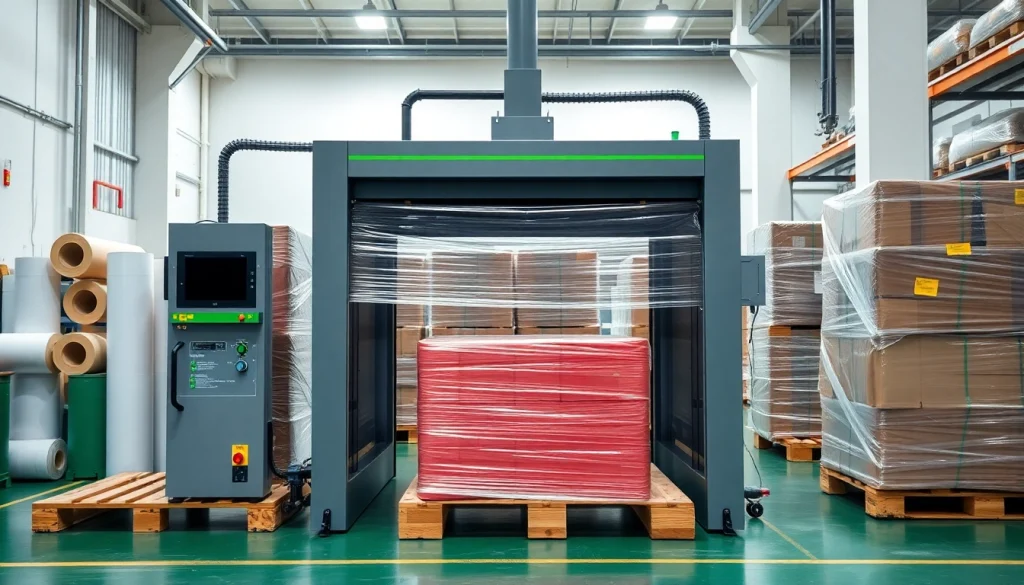
Understanding the Pallet Shrink Wrap Machine
What is a pallet shrink wrap machine?
A pallet shrink wrap machine is a type of equipment designed specifically for wrapping and securing palletized products with plastic film. These machines are crucial in the packaging and logistics sectors, as they provide a method for stabilizing and protecting loads during storage and transport. By applying a shrink film around the pallet and its contents, these machines ensure that items stay intact and undamaged while in transit, reducing the risk of product loss and improving efficiency in handling. The pallet shrink wrap machine is especially vital in industries like food and beverage, electronics, pharmaceuticals, and furniture, where the integrity of products is paramount.
How does a pallet shrink wrap machine work?
The operation of a pallet shrink wrap machine is both fascinating and efficient. Here’s a step-by-step breakdown of how these machines function:
- Loading: The operator places the pallet of products onto the machine’s platform. Some advanced models include conveyor systems that can automatically feed pallets into the machine.
- Wrapping: The machine then engages the film, wrapping it around the pallet and products. The film is often pre-stretched to ensure a tight fit and improved load stability.
- Shrinking: After the film is applied, the pallet enters a shrinking oven where heat is applied, causing the plastic film to shrink and tightly conform to the shape of the products. This process not only secures the load but also enhances its appearance.
- Cooling: As the film cools, it hardens to create a robust protective layer around the pallet.
By automating these steps, pallet shrink wrap machines significantly reduce the time and labor involved in the wrapping process compared to manual methods.
Key components of a pallet shrink wrap machine
A typical pallet shrink wrap machine consists of several key components that ensure optimal performance:
- Film Dispensing System: This component manages the supply of shrink wrap film. It ensures precise application, whether the machine is semi-automatic or fully automatic.
- Film Wrapping Arm: The arm (or carousel) rotates around the pallet to apply the film evenly.
- Shrinking Chamber: A heated enclosure where the film is heated to shrink it tightly around the load.
- Control Panel: The interface where operators can set parameters such as film tension and shrink time, and monitor the machine’s performance.
- Safety Features: Equipped with emergency stops and safety guards, these features help prevent accidents during operation.
Advantages of Using a Pallet Shrink Wrap Machine
Increased efficiency in packaging
One of the main advantages of using a pallet shrink wrap machine is the increased efficiency it brings to packaging operations. By automating the wrapping process, businesses can wrap pallets much faster than by hand. This speed is particularly beneficial in high-volume environments where time is a crucial factor. For instance, a well-implemented automated wrapping solution can reduce the wrapping time per pallet from minutes to merely seconds.
Cost savings and material usage
Beyond time savings, pallet shrink wrap machines also help businesses save money. By using high-quality stretch film that is specifically designed for these machines, companies can minimize film waste. Machines can be calibrated to apply just the right amount of film necessary to secure a load without excess, thus reducing overall material costs. Additionally, the durability of shrink wrap significantly minimizes the chances of product damage during shipping, leading to additional cost savings associated with returns, replacements, and customer dissatisfaction.
Improved load stability and protection
Another significant benefit of using a pallet shrink wrap machine is the enhanced stability and protection provided to palletized loads. The shrink film wraps around each item tightly, keeping products from shifting during transport. This is particularly critical when transporting fragile items or products that could be easily damaged or compromised. Furthermore, moisture and dust protection offered by the film ensures that the products remain in good condition until they reach their destination.
Types of Pallet Shrink Wrap Machines
Automatic vs. semi-automatic pallet shrink wrap machines
When selecting a pallet shrink wrap machine, businesses generally have two options: automatic and semi-automatic machines.
- Automatic Machines: These machines require minimal human intervention. They automate the entire process from loading to wrapping and shrinking. Ideal for high-volume applications, they tend to have a higher upfront cost but significantly reduce labor costs and increase throughput.
- Semi-Automatic Machines: These require human input for loading and unloading the pallets but automate the wrapping process itself. They are a cost-effective option for smaller operations or businesses still transitioning to full automation.
Different sizes and models available
Pallet shrink wrap machines come in a variety of sizes and models to suit different operational needs. Smaller models may be adequate for businesses with limited space or lower throughput, while larger industrial models can handle heavy-duty loads in high-output environments. Companies must consider their specific requirements, including load weight, size, and the volume of products they need to wrap, when selecting the appropriate machine.
Choosing the right pallet shrink wrap machine for your needs
Selecting the right pallet shrink wrap machine involves careful consideration of several factors:
- Volume of Production: Determine how many pallets you need to wrap per hour or day. Automated solutions typically cater to higher volumes.
- Type of Products: Consider the shapes, sizes, and weights of the products being wrapped. Some machines are specifically designed for odd shapes or heavy items.
- Budget: Assess your budget constraints to find a machine that delivers the desired performance without overspending.
- Space Available: Measure the space where the machine will be situated to avoid purchasing a model that won’t fit.
Best Practices for Operating a Pallet Shrink Wrap Machine
Setting up for optimal performance
For a pallet shrink wrap machine to operate effectively, proper setup is crucial. Operators should ensure that equipment is level and that all components are calibrated according to the manufacturer’s specifications. Conducting pre-operation checks, such as confirming that the film is properly loaded and the heating elements are functioning, can prevent malfunctions and costly downtime.
Maintaining your pallet shrink wrap machine
Regular maintenance is essential to extend the life of a pallet shrink wrap machine and ensure consistent performance. Maintenance tasks should include:
- Inspecting the film dispensing system for any wear or damage.
- Cleaning the shrinking chamber to prevent build-up of contaminants.
- Lubricating moving parts to reduce friction and wear.
- Replacing worn or damaged components promptly.
Implementing a proactive maintenance plan can increase production reliability and minimize repair costs over the machine’s lifespan.
Training staff for effective use
Training staff on how to effectively operate and maintain the pallet shrink wrap machine is fundamental. Proper training sessions should cover the machine’s operation, safety procedures, and maintenance schedules. By familiarizing employees with the equipment, businesses can maximize productivity while ensuring safety in the workplace.
Evaluating the Performance of Your Pallet Shrink Wrap Machine
Key performance indicators for measurement
To gauge the effectiveness of a pallet shrink wrap machine, businesses should monitor several key performance indicators (KPIs):
- Throughput Rate: Measures how many pallets can be wrapped in a specific time frame, informing on overall efficiency.
- Film Usage Efficiency: Tracks the amount of film used per pallet, providing insight into waste management.
- Downtime: Measures the time the machine is non-operational due to maintenance or operational issues, influencing production schedules.
Common challenges and solutions
Operating a pallet shrink wrap machine may come with several challenges. Some common issues and their solutions include:
- Film Wrinkling: Often caused by incorrect tension settings; adjusting the tension can help align the film properly.
- Pallet Shifting: If pallets shift during transport, consider reinforcing the wrapping technique or adjusting the application settings of the film.
- Machine Jams: Regular inspections and cleaning of the film path can help minimize the occurrence of jams.
Upgrading and scaling your socket for future needs
As business needs evolve, so may the requirements for pallet shrink wrap machines. Companies should assess their operational needs periodically. Upgrading to a more efficient model or scaling up the equipment’s capabilities can enhance productivity and reduce operational costs. Continuous evaluation of technology and processes will help ensure that the equipment used meets the business’s current demands and adapts to future growth.