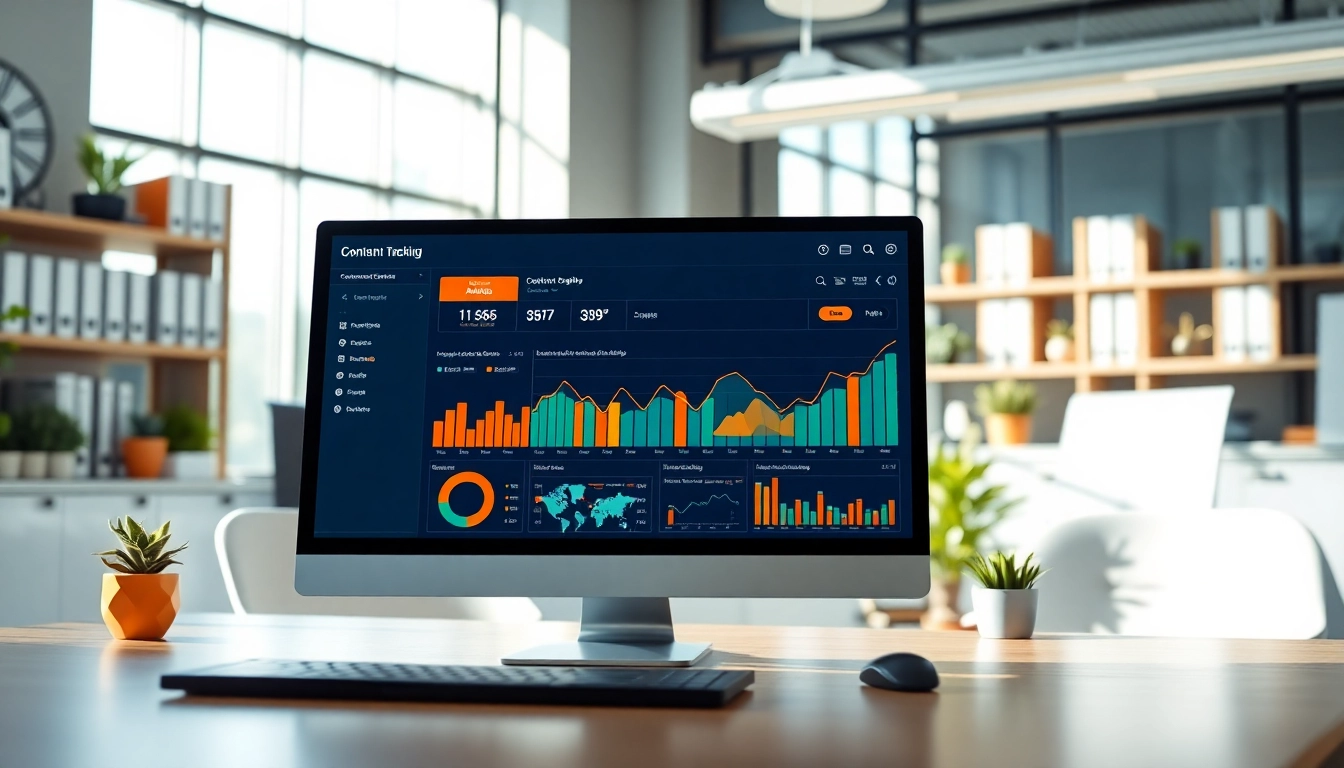

Understanding Business Growth Insights
In a competitive business landscape, business growth insights play a crucial role in shaping effective strategies and guiding decision-making. To thrive and outperform competitors, organizations must delve into the metrics that define their growth trajectory. This article will explore key metrics, the significance of data analysis, and the process of identifying vital performance indicators to create a robust foundation for business growth.
Defining Business Growth Metrics
Business growth metrics are quantifiable measures used to assess how effectively a business is expanding over time. Common metrics include revenue growth rate, customer acquisition cost (CAC), customer lifetime value (CLV), and profit margins. Each of these metrics provides invaluable insights into different facets of business performance. For instance, revenue growth rate indicates financial health, while CAC offers insights into the efficacy of marketing strategies.
Understanding these metrics allows businesses to monitor their performance, allocate resources effectively, and identify areas for improvement. Regularly tracking these metrics enables companies to make informed decisions that propel the organization towards sustainable growth.
The Importance of Data Analysis
Data analysis transforms raw data into actionable insights. By employing data analysis techniques, businesses can uncover patterns, trends, and correlations that would otherwise remain hidden. This analytical process is paramount in making informed decisions, as it empowers businesses to identify not just what is happening within the company, but also why it is happening.
With the rise of big data, businesses have access to vast amounts of information; however, raw data must be processed and analyzed to be valuable. Utilizing statistical tools and software allows teams to dissect the data accurately and derive meaningful conclusions that can steer strategic initiatives.
Identifying Key Performance Indicators
Key Performance Indicators (KPIs) are crucial metrics that reflect how well an organization is performing against its strategic goals. Effective KPIs are specific, measurable, attainable, relevant, and time-bound (SMART). Identifying suitable KPIs varies by industry and business model, but universally important indicators often include sales growth, market share, and asset utilization.
Selecting the right KPIs enables businesses to focus their efforts on areas with the most significant impact on growth. Regularly reviewing these indicators ensures that organizations remain agile and responsive to market changes, allowing them to take advantage of new opportunities and mitigate potential risks.
Effective Strategies for Business Growth
Implementing effective growth strategies is essential for leveraging insights derived from data analysis. Companies must adapt and refine their approaches to foster growth continually. Here, we explore three key strategies: leveraging market research, building a strong online presence, and utilizing customer feedback.
Leveraging Market Research
Market research is fundamental in understanding target audiences, competitors, and market trends. By gathering and analyzing data on consumer preferences and industry dynamics, businesses can identify growth opportunities and refine their offerings accordingly. This involves both qualitative methods, such as interviews and focus groups, and quantitative methods like surveys and data analytics.
Effective market research leads to informed decision-making that enhances product and service positioning. Organizations that invest time and resources in understanding their market are better equipped to innovate and capture market share.
Building a Strong Online Presence
In today’s digital age, having a strong online presence is non-negotiable for growth. Companies must develop websites that provide a seamless user experience and optimize their content for search engines. By leveraging Search Engine Optimization (SEO) strategies, businesses can increase visibility and attract more potential customers.
In addition to a robust website, engaging on social media platforms allows businesses to connect with their audience directly. Content marketing strategies, including blogs, videos, and infographics, not only enhance visibility but establish authority in the industry.
Utilizing Customer Feedback
Customer feedback is a goldmine for insights that can drive growth. Actively seeking input from customers, whether through surveys, reviews, or direct communication, allows businesses to identify strengths and weaknesses in their offerings. Incorporating this feedback into product development and customer service processes fosters loyalty and satisfaction.
Moreover, by making customers feel heard and valued, businesses can cultivate communities of brand advocates who contribute to organic growth through word-of-mouth marketing.
Tools and Technologies for Success
To extract meaningful insights and implement growth strategies effectively, businesses must leverage the right tools and technologies. Here we examine three categories of essential technologies: analytics platforms, CRM software, and social media tools.
Analytics Platforms
Analytics platforms are pivotal in monitoring and analyzing key business metrics. Tools like Google Analytics, Tableau, and Microsoft Power BI provide users with the ability to track website traffic, customer behavior, and campaign performance. These insights can inform strategies and ensure that businesses make data-driven decisions.
Utilizing visual analytics enables stakeholders to comprehend complex data intuitively, thus facilitating better strategic discussions and decision-making processes.
CRM Software
Customer Relationship Management (CRM) software streamlines communication with customers and helps manage data concerning customer interactions. Tools like Salesforce and HubSpot enable businesses to track leads, manage sales pipelines, and tailor marketing efforts to enhance customer relationships.
Effective utilization of CRM systems can lead to improved customer retention rates and increased sales opportunities, driving overall business growth.
Social Media Tools
With social media playing a vital role in customer engagement, utilizing specific tools can enhance business strategy dramatically. Tools such as Hootsuite and Buffer facilitate social media management—scheduling posts, monitoring engagement, and analyzing metrics across various platforms.
By leveraging these tools, businesses can ensure consistent branding, timely communication, and an active presence that resonates with their audience.
Common Challenges in Implementing Business Growth Insights
While leveraging business growth insights is essential, challenges often arise during implementation. Here, we discuss three common hurdles: overcoming data overload, aligning team objectives, and adapting to market changes.
Overcoming Data Overload
Organizations often face data overload, where the sheer volume of data can be overwhelming. To address this, businesses should prioritize key metrics that align with their strategic goals and develop a streamlined reporting process. Employing data visualization tools can also help to distill complex information into their most relevant forms, ensuring that stakeholders focus on actionable insights instead of simply navigating a sea of numbers.
Aligning Team Objectives
Ensuring that all teams are aligned with the overall growth strategy is crucial. Disjointed objectives can lead to inefficiencies and wasted resources. Organizations should foster a culture of collaboration and communication, regularly revisiting objectives to ensure they resonate across departments. Establishing shared KPIs can further unite teams towards a common goal.
Adapting to Market Changes
The market is ever-evolving, and businesses must be adaptable to stay competitive. Implementing a framework for regular market analysis allows organizations to pivot and adjust strategies based on new insights. Continuous learning and embracing innovation ensure that businesses remain resilient amidst shifts in consumer preferences and market conditions.
Measuring the Impact of Business Growth Insights
Once organizations have implemented their strategies, measuring the impact of business growth insights becomes vital for continued success. This section covers performance metrics to track, adjustments based on insights, and case studies of successful implementations.
Performance Metrics to Track
Measuring the success of business strategies requires a clear understanding of which performance metrics matter. This includes tracking sales growth, customer acquisition rates, and overall return on investment (ROI) from growth initiatives. Regularly assessing these metrics enables businesses to understand whether they are meeting their growth targets and identify areas that need improvement.
Adjustments Based on Insights
As insights are gathered, businesses should be prepared to make adjustments to their strategies. Whether it means reallocating marketing budgets, altering product features, or revising customer engagement practices, organizations must remain flexible and responsive to new data. The iterative cycle of testing, learning, and adjusting is key to long-term growth and success.
Case Studies of Successful Implementations
Real-world examples illustrate the effectiveness of leveraging business growth insights. For instance, a tech startup utilized customer feedback to refine its product features, resulting in a 30% increase in user engagement within six months. Similarly, a retail brand that heavily invested in market research managed to capture a new segment of consumers, leading to an overall revenue increase of 25% in the same period. These case studies exemplify how actionable insights can lead to transformative changes in business performance.
Frequently Asked Questions
What are business growth insights?
Business growth insights are data-driven analyses that help companies understand their performance, identify opportunities, and refine strategies for growth.
Why is data analysis important for growth?
Data analysis helps businesses uncover patterns and trends, enabling informed decision-making that aligns with growth objectives.
How do I choose the right KPIs?
Select KPIs that reflect your strategic goals and ensure they are specific, measurable, attainable, relevant, and time-bound.
What challenges do businesses face in growth strategy implementation?
Common challenges include data overload, misalignment of team objectives, and adapting to rapid market changes.
How can I measure the impact of my growth strategies?
Track relevant performance metrics, analyze the outcomes regularly, and make adjustments based on insights gained from data.