
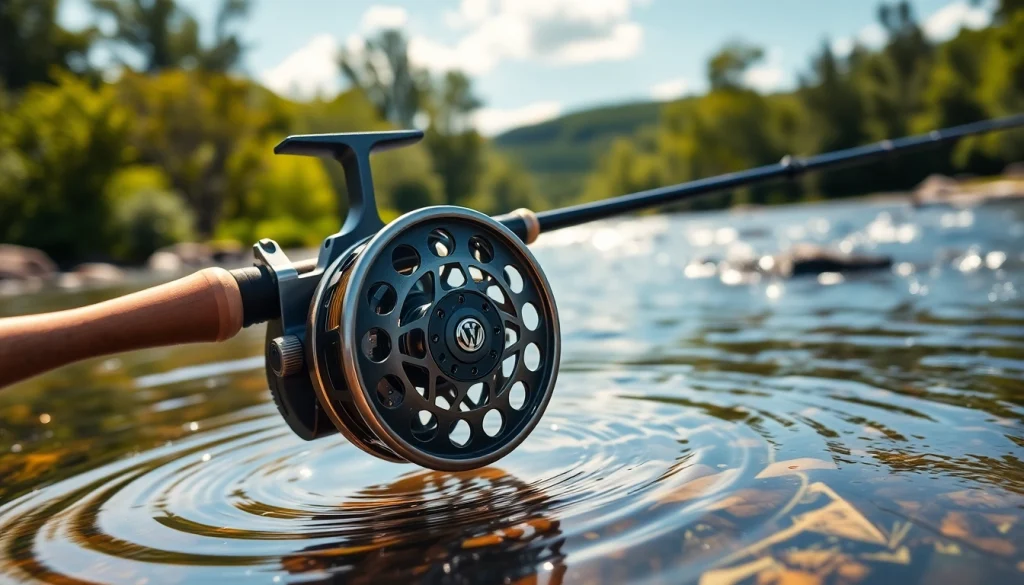
Understanding Fly Fishing Combos
Fly fishing has captivated anglers for generations, blending artistry with the thrill of the catch. One of the cornerstones of effective fly fishing is having the right gear, particularly a well-Matched Fly fishing combo. This article will explore the components, benefits, types, maintenance practices, and frequently asked questions about fly fishing combos to help every enthusiast—whether beginner or experienced—choose the right approach for their fishing adventures.
What is a Fly Fishing Combo?
A fly fishing combo refers to a pre-packaged set that typically includes a fly rod, reel, backing line, fly line, and leader line. These combos are designed to work harmoniously, providing all the necessary components for casting and catching fish. For newcomers, fly fishing combos eliminate the guesswork of selecting compatible parts, ensuring that everything is well-matched for a seamless fishing experience. Expert anglers also appreciate the convenience of having essential components bundled together, simplifying their gear selection process.
Components of a Fly Fishing Combo
Understanding the individual components of a fly fishing combo is essential for making informed decisions. Here’s a breakdown of each component:
- Fly Rod: The fly rod is a long, flexible stick that delivers the fly to the fish. It varies in length, weight, and action to suit different fishing environments and target species.
- Fly Reel: The reel holds the line and allows anglers to retrieve the line after casting. It also plays a crucial role when fighting a fish, managing drag to prevent break-offs.
- Backing Line: This line is spooled onto the reel first, providing extra line capacity. It’s important for battling larger fish that take long runs.
- Fly Line: The main line used for casting, fly lines are weighted to help deliver flies accurately. They come in various types tailored for different conditions and species.
- Leader Line: A thinner line that connects the fly to the fly line, leaders help present the fly naturally and reduce visibility to fish.
Choosing the Right Size for Your Needs
Selecting the right size is crucial for effective fishing. Rods and reels are rated by weight (commonly referred to as “wt”) based on the size of the fish being targeted and the type of fishing guided by conditions. For instance, a 5wt rod is suitable for trout in calm waters, whereas a heavier 7wt or 8wt is preferable for bass or larger saltwater fish. It’s important to match your combo size to the species you desire and the waters you’ll be fishing. Moreover, rod length affects casting distance and accuracy, with longer rods generally providing greater reach.
The Benefits of Using a Fly Fishing Combo
Fly fishing combos offer several advantages that enhance your overall fishing experience. Here are some of the notable benefits:
Cost-Effectiveness of Fly Fishing Combos
One of the primary benefits of purchasing a fly fishing combo is the cost savings. Buying a combo usually costs less than purchasing each component individually. This makes sets a perfect entry point for beginners or those on a budget, providing quality gear without breaking the bank.
Convenience for Beginners with Fly Fishing Combos
For beginners, selecting a fly combo simplifies the overwhelming task of gear selection. With everything bundled together, novices can focus on learning the basics of casting and fishing without worrying about whether their rod is compatible with their reel or line. Many fly fishing combos come ready to fish, making them even more convenient for those just starting out.
Enhanced Performance Compared to Individual Purchases
Combos are designed as cohesive units where each component is optimized for performance. You’ll find enhanced casting accuracy and efficiency when using a fly fishing combo, as all parts are selected for compatibility. The synergy of a well-matched combo often results in a more enjoyable fishing experience, fostering better casts and fewer tangles.
Types of Fly Fishing Combos
There are various fly fishing combos available to cater to different skill levels and fishing environments. Here are the primary categories:
Beginner Fly Fishing Combos
Designed for newcomers, beginner fly fishing combos are typically user-friendly and often pre-spooled with fly line, ready for immediate use. These combos balance affordability and function, allowing beginners to grow into the sport without excessive financial risk. They usually feature moderate action rods to aid in learning casting techniques effectively.
Intermediate Fly Fishing Combos
Intermediate combos appeal to anglers who have mastered the basics and are seeking to refine their skills further. These kits usually include rods with enhanced sensitivity and better casting performance, suitable for varying conditions and target species. Intermediate anglers may also want to consider combos that feature more specialized equipment, such as sinking lines or adjustable reels.
Advanced Fly Fishing Combos
For seasoned anglers, advanced fly fishing combos offer high-performance equipment tailored for specific fishing conditions and species. These combos feature premium materials and technology designed for maximum control and precision, including quick-recovery rods, specialized reels with strong drag systems, and custom lines. Advanced setups allow for greater versatility, ensuring that experts can tackle diverse challenges on the water.
How to Maintain Your Fly Fishing Combo
Preserving your fly fishing combo involves proper maintenance practices that can extend the life of your investment. Here’s how to care for your gear:
Cleaning Your Fly Fishing Combo
After each trip, clean your fly fishing combo to remove dirt, salt, and debris. Rinse your rod and reel gently in freshwater, ensuring all remnants of the fishing environment are gone. Pay particular attention to the reel to prevent rust, especially when using the combo in saltwater. Proper cleaning preserves function and appearance.
Storing Your Fly Fishing Combo Correctly
When not in use, store your fly fishing combo in a cool, dry place away from direct sunlight. Consider using a rod case to protect the rod from damage. Ensuring that your fly line is not tangled and is stored properly will also prolong its lifespan and prevent knotting issues when retrieved for use.
Repairing Common Issues with Fly Fishing Combos
Common issues like line tangles, rod breaks, or reel malfunctions can be avoided with proper care. Familiarize yourself with basic repair techniques, such as re-spooling a reel or using adhesive to mend small rod breaks. Keeping extra tippet materials and fly tying tools handy can also help address sudden situations while fishing.
FAQs About Fly Fishing Combos
What should I look for in a Fly fishing combo?
Choose a fly fishing combo based on your skill level, the species you intend to fish for, and the typical fishing environments. Ensure the rod and reel are compatible in weight for optimal performance.
How do I know if a Fly fishing combo is right for me?
Consider your experience level, fishing goals, and budget. A beginner should select a ready-to-use combo, while more experienced anglers may look for advanced features tailored to their style.
Can I use a Fly fishing combo for saltwater fishing?
Yes, many fly fishing combos are suitable for saltwater fishing as long as they are rated accordingly. Look for corrosion-resistant materials in the reel to enhance longevity.
How much should I spend on a Fly fishing combo?
Prices can vary widely. Beginners may find decent options around $100, while advanced combos can exceed $500. Choose based on your budget and fishing needs.
Are Fly fishing combos good for beginners?
Absolutely! Fly fishing combos are ideal for beginners since they simplify the selection process and include all necessary components, making it easier to get started.