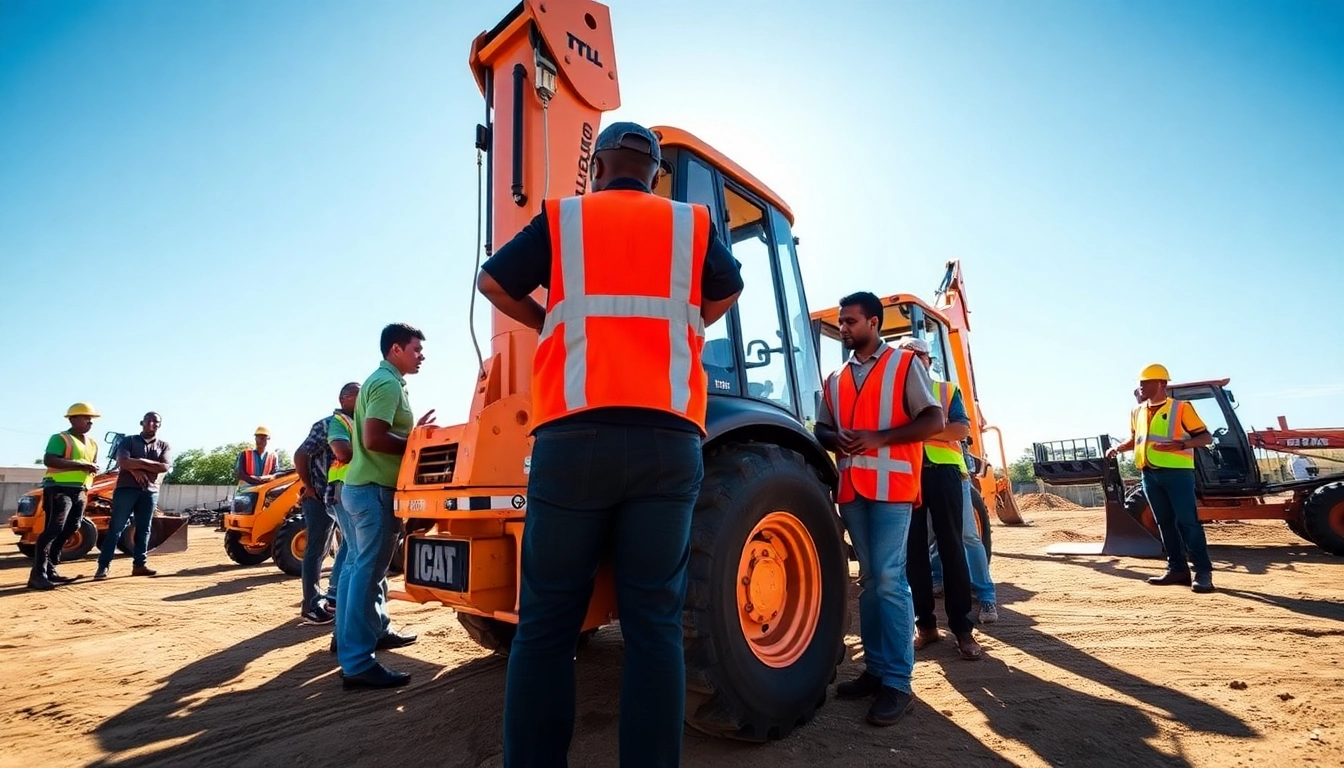

Understanding Careers in Construction
The construction industry is a vital sector that not only shapes physical spaces but also significantly contributes to economic growth and job creation. With the ever-increasing demand for infrastructure, residential, and commercial buildings, the opportunities for individuals seeking Careers in construction continue to expand. This article aims to provide a detailed overview of the various facets of working in construction, from the skills needed to the roles available and the training required to succeed in this dynamic field.
The Scope of Construction Careers
The scope of careers in construction encompasses a wide array of roles, ranging from manual labor to high-level management. Construction serves as the backbone of urban development, which includes residential, commercial, and industrial projects. There are numerous pathways within the construction field—whether one is interested in being directly involved in the hands-on work or pursuing administrative and managerial positions. Typically, roles can be divided into on-site positions, support roles, and advanced careers that cover both technical and managerial aspects of the industry.
Key Skills Required for Success
Success in the construction industry requires a foundational set of skills that can vary based on the specific role. Commonly required skills include:
- Technical Skills: Proficiency in specific trades (e.g., carpentry, electrical work) and knowledge of tools and materials used in construction.
- Problem-Solving: The ability to quickly identify and address issues that arise on the job site.
- Communication: Clear communication is essential for teamwork, especially when coordinating with various trades and stakeholders.
- Attention to Detail: Precision is crucial in ensuring work is completed correctly and safely.
- Project Management: For those in supervisory roles, skills in planning, budgeting, and time management are invaluable.
The Importance of Safety in Construction
Safety within the construction sector is paramount. Given the inherent risks involved, adhering to safety protocols not only protects workers but also promotes a productive work environment. Familiarity with Occupational Safety and Health Administration (OSHA) standards is essential, and regular training is necessary to minimize incidents on job sites. Establishing a culture of safety ensures that employees are vigilant and proactive in avoiding accidents and injuries, contributing to the overall success of projects.
Exploring Different Roles in Construction
On-Site Roles: Workers and Supervision
On-site roles encompass a variety of positions, from laborers who engage in physical tasks to supervisors who oversee project execution. Laborers and tradespeople, such as electricians, plumbers, and masons, perform vital hands-on work that directly impacts the quality and safety of construction projects. Supervisors and foremen are responsible for coordinating tasks, managing teams, and ensuring that work complies with safety regulations and project timelines. Effective leadership and robust on-site training can foster a cohesive team, ensuring project efficiency and high standards.
Support Roles: Logistical and Administrative
Beyond on-site personnel, support roles are crucial to the seamless operation of construction projects. These may include project coordinators, estimators, and procurement specialists who manage logistics, budgets, and supply chains. Strong organizational skills and attention to detail are critical, as these professionals are responsible for maintaining schedules, conducting cost analyses, and ensuring that materials and resources are available when needed. Their role is instrumental in bridging the gap between on-site activity and executive management.
Advanced Careers: Management and Engineering
Advanced careers in construction typically involve roles such as construction managers, project managers, and civil engineers. These positions require a combination of technical knowledge, leadership skills, and experience. Professionals in these roles are responsible for the strategic planning and execution of projects, overseeing everything from initial designs to final inspections. They must remain adept in the latest technologies and construction methodologies, ensuring projects are completed on time, within budget, and to the highest quality standards.
Training and Certification for Careers in Construction
Essential Training Programs and Courses
To thrive in the construction industry, individuals need to pursue relevant training programs. Many technical schools, community colleges, and apprenticeships offer courses tailored to various trades, including welding, carpentry, and HVAC systems. These programs often blend classroom instruction with hands-on experience, equipping students with practical skills essential for the workforce. In an evolving industry, continuous education plays a vital role in keeping workers updated on new technologies and practices.
Certification Processes and Requirements
Certifications can enhance career prospects and validate an individual’s expertise in specific areas. Various organizations offer certifications for tradespeople and construction management professionals, recognizing skills that meet industry standards. For example, certifications such as the Certified Construction Manager (CCM) or Environmental Protection Agency (EPA) certifications can be pivotal in advancing one’s career. These credentials often require passing an exam and, in some cases, ongoing education to maintain the certification.
Apprenticeships as a Pathway to Success
Apprenticeships are a crucial pathway for many individuals entering the construction field. These programs combine on-the-job training with classroom instruction, granting apprentices the opportunity to learn from seasoned professionals. Not only do they earn a wage while training, but they also gain industry-recognized skills, making them highly employable upon completion. Many trade unions and local construction firms offer apprenticeship programs that cover a variety of skilled trades, setting the foundation for a successful career.
Challenges and Opportunities in Careers in Construction
Navigating Economic Fluctuations
The construction industry is inherently subject to the cycles of economic fluctuations. During economic downturns, project funding can dwindle, leading to layoffs and reduced hiring. Conversely, during expansion periods, there may be a shortage of skilled labor. To navigate these changes effectively, workers should diversify their skill sets and remain adaptable. Building a strong professional network can also help mitigate risks associated with market volatility.
Adapting to New Technology and Innovations
The integration of technology into construction practices is a double-edged sword. While it creates opportunities for efficiency and improved design, it also necessitates continuous learning and adaptation. Technologies such as Building Information Modeling (BIM), drones, and enhancements in materials science are transforming how projects are planned and executed. Workers must stay abreast of these innovations to remain competitive and relevant in the labor market.
Finding Job Security and Growth
Despite the challenges faced, there are robust opportunities for growth and job security within the construction industry. Due to an aging workforce and a rising demand for infrastructure development, many skilled trades are experiencing a shortage of labor. Individuals entering or those continuing their careers in construction can find robust job security by acquiring in-demand skills and certifications, thus enhancing their marketability and future prospects.
Future Trends in Careers in Construction
The Shift Towards Sustainable Construction
As environmental awareness grows, sustainable construction practices are becoming increasingly central to the industry. Future careers are likely to focus on utilizing green materials, energy-efficient designs, and innovative waste-reduction strategies. Professionals equipped with knowledge in green building practices and sustainability standards will be in high demand, as businesses look to align with environmental regulations and consumer expectations.
The Role of Technology in Modern Construction
Technology’s role in construction is expanding rapidly, from advanced materials to automation and smart technology integration. Construction management software aids in improving project organization, while wearable technology enhances safety by monitoring workers’ health metrics in real-time. Familiarity with cutting-edge technological tools is becoming a prerequisite in many construction roles, outlining an essential skill set for future professionals.
Emerging Careers and Skill Demand
In light of ongoing advancements, new careers are emerging within the construction industry. Roles such as data analysts, sustainability consultants, and technology specialists are gaining traction as companies seek ways to leverage data and innovation. Workers must remain proactive about ongoing education and skill development to seize these emerging opportunities, ensuring they adapt to the future landscape of the construction industry.
Frequently Asked Questions
What types of careers are available in construction?
There are various roles in construction, including laborers, supervisors, project managers, and specialized trades like electricians and plumbers.
What skills do I need to succeed in construction?
Key skills include technical proficiency, problem-solving, communication, attention to detail, and project management abilities.
How can I receive training in construction trades?
Training can be obtained through technical schools, community colleges, apprenticeships, and specialized courses designed for specific trades.
Are certifications important in the construction industry?
Yes, certifications can enhance career prospects and validate skills, often making candidates more competitive in the job market.
What are the future trends in construction careers?
Future trends include a shift towards sustainable practices, increased use of technology, and emerging roles focusing on data and innovation.