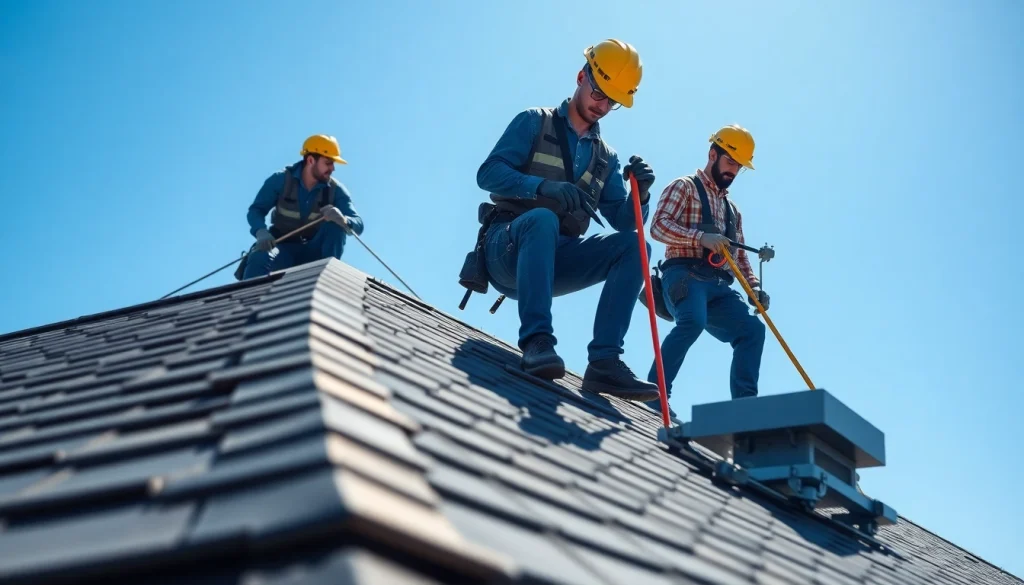
Understanding Commercial Roofing Services
When it comes to running a successful business, the importance of maintaining a solid infrastructure cannot be overstated. Among the many components of a business property, the roof plays a crucial role not only in protecting assets but also in enhancing aesthetic appeal and energy efficiency. Commercial roofing services are designed to provide comprehensive solutions for businesses looking to install, repair, or maintain their roofs, ensuring durability and functionality over time.
What Are Commercial Roofing Services?
Commercial roofing services encompass a variety of solutions tailored to the roofing needs of businesses, warehouses, retail spaces, industrial buildings, and more. Unlike residential roofing, which typically involves simpler structures, commercial roofing requires specialized knowledge due to factors such as larger roof areas, varying access, and the need for materials that cater to specific operational needs.
These services often include:
- Roof Installation: Selecting and installing the appropriate roofing system for a commercial property.
- Roof Replacement: Removing an old or damaged roof and replacing it with a new, more durable option.
- Roof Repairs: Identifying and fixing issues such as leaks, damaged roofing materials, or structural problems.
- Routine Maintenance: Conducting regular inspections and maintenance to extend the lifespan of the roof.
- Emergency Services: Providing rapid response services in the event of unexpected roofing damage.
Types of Commercial Roofing Systems
Understanding the types of roofing systems available is essential for business owners looking to make informed decisions. Common types include:
- Built-Up Roofing (BUR): A traditional roofing method that consists of multiple layers of asphalt and roofing felt which provide exceptional waterproofing and UV protection.
- Modified Bitumen: Typically installed in layers, modified bitumen combines asphalt with polymerized rubber or plastic for added durability and flexibility.
- Single-Ply Roofing: This category includes membranes such as TPO (Thermoplastic Polyolefin), EPDM (Ethylene Propylene Diene Monomer), and PVC (Polyvinyl Chloride). These systems are lightweight, easy to install, and energy efficient.
- Metal Roofing: Known for its longevity and durability, metal roofing comes in various materials such as steel, aluminum, and copper, and is often chosen for its resistance to weather conditions.
- Green Roofs: An environmentally friendly option, green roofs involve the installation of vegetation and soil on top of a waterproofing membrane and can enhance insulation.
Benefits of Professional Commercial Roofing Services
Investing in professional commercial roofing services can offer numerous benefits that extend beyond just protecting the building. Some of these advantages include:
- Expertise and Experience: Professional roofers bring valuable expertise and industry knowledge, ensuring the job is done correctly and efficiently.
- Quality Materials: Professionals have access to high-quality materials and the latest technologies, leading to longer-lasting roofs.
- Safety: Roofing can be dangerous; hiring professionals mitigates risks associated with falls and injuries.
- Warranties: Many commercial roofing services come with warranties that cover materials and installation, providing peace of mind.
- Energy Efficiency: Proper installation and maintenance can improve the roof’s energy efficiency, leading to lower utility costs.
The Importance of Quality in Commercial Roofing
Materials Used in Commercial Roofing Services
The durability and performance of a roof largely depend on the materials used. Quality materials can withstand harsh weather conditions and have a significant impact on the longevity of the roofing system. Some commonly used materials include:
- EPDM: A popular synthetic rubber roofing membrane noted for its durability and resistance to UV radiation.
- TPO: Known for its reflective properties, TPO is energy-efficient and decreases the building’s cooling costs.
- Metal: Durable and long-lasting, metal roofing can also be recycled, making it a sustainable choice.
- Clay and Concrete Tiles: These materials offer excellent insulation and a unique aesthetic but are heavier and typically require additional support.
Long-term Cost Benefits of Durable Roofing
While the initial investment in high-quality roofing materials may be higher, the long-term savings can be substantial. Durable roofing systems minimize repair and replacement costs and enhance the building’s overall efficiency, thereby lowering utility bills. Additionally, commercial buildings often benefit from insurance cost reductions with durable roofing systems in place.
Selecting the Right Roofing Materials for Your Business
Choosing the right roofing materials involves considering several factors, including:
- Climate: The local weather patterns greatly impact material selection—some materials work better in extreme heat, while others are more suited to colder climates.
- Building Structure: The existing architecture may dictate the types of roofing systems that can be implemented.
- Functionality: Roofs that will support equipment (like HVAC systems) might require different materials than those primarily for aesthetic purposes.
Choosing the Right Contractor for Commercial Roofing Services
What to Look for in a Roofing Contractor
Choosing the right contractor is paramount to the success of any commercial roofing project. The right partner will provide guidance from the planning stage through to completion. Key factors to consider include:
- Experience: Look for contractors with experience in commercial projects similar to yours.
- Reputation: Research review platforms and testimonials to gauge the contractor’s reputation.
- Insurance and Licenses: Ensure the contractor has the necessary certifications and insurance to protect against liability.
Questions to Ask Before Hiring
Before finalizing a contractor, pose certain questions to assess their suitability, including:
- What warranties do you offer on materials and labor?
- Can you provide references from previous commercial clients?
- What safety protocols do you have in place?
Evaluating Contractor Credentials and Experience
After gathering initial information, take the time to verify credentials. Look for affiliations with recognized industry organizations as these often require adherence to high professional standards. Request to see examples of previous work and direct references. Furthermore, a reliable contractor will offer a detailed project plan, including timelines and budgets, allowing you to gauge their professionalism and preparedness.
Common Challenges in Commercial Roofing Services
Weather Impact on Roofing Projects
Weather conditions can significantly affect roofing projects. Rain, snow, and extreme temperatures can delay timelines and complicate installations. Planning for weather-related delays and identifying a contractor’s policy on working in adverse conditions is vital for maintaining project schedules.
Budgeting for Unexpected Repairs
Budget overruns are common in commercial roofing projects. Planning for unexpected repairs, which can arise from hidden damages or unforeseen circumstances, is crucial. Consider setting aside a contingency fund for these situations.
Maintaining Compliance with Local Regulations
Commercial roofing is often subject to numerous local regulations, building codes, and permits. Failing to comply with these can lead to fines or the need to redo work. A competent contractor will guide you through the necessary legal requirements associated with your specific roofing project.
Ensuring Longevity and Maintenance of Your Roof
Regular Maintenance Services for Commercial Roofs
To ensure the longevity of a commercial roof, regular maintenance is paramount. This may involve:
- Periodic Inspections: Conducting inspections at least twice a year and after significant weather events to identify potential problems.
- Cleaning Gutters and Drains: Removing debris to avoid water pooling, which can lead to leaks and structural damage.
- Repairing Minor Issues: Addressing small problems immediately to prevent them from escalating into costly repairs.
Signs Your Commercial Roofing Needs Attention
Recognizing when your commercial roof requires attention can save you money and prevent further issues. Common signs include:
- Visible Damage: Cracks or blisters in roofing materials, missing shingles, and water stains on interior ceilings.
- Unusual Moisture Levels: Persistent leaks or damp spots inside the building indicate potential roofing issues.
- Increased Energy Costs: A sudden rise in energy bills may suggest insufficient insulation or damage affecting temperature control.
Investing in Preventive Maintenance Solutions
The adage “an ounce of prevention is worth a pound of cure” holds true in commercial roofing. Investing in a preventive maintenance program can greatly extend the lifespan of your roof, enhance energy efficiency, and minimize the risk of major repairs down the line. By establishing a partnership with a reliable contractor, businesses can maintain their roofs effectively while navigating any upcoming challenges.